Fluoride in Toothpaste: Is It Safe for Your Child's Teeth?
Fluoride is one of the most common and important ingredients in our toothpaste. Used in dental care products since the 1940s, fluoride is primarily known for its ability to prevent tooth decay and strengthen enamel. However, simply using more fluoride does not guarantee better dental health—in fact, excessive use can cause specific problems, especially for children.
Understanding Fluoride Levels in Toothpaste
The toothpaste available in the market comes with varying concentrations of fluoride. Depending on the brand and purpose, you will generally find low-fluoride toothpaste (around 500 ppm), standard-fluoride toothpaste (1100 to 1500 ppm), and high-fluoride toothpaste (over 1500 ppm).
The right concentration for you depends on your age, tooth structure, and how much fluoride you are already getting from other sources, such as drinking water, food, or specific vitamin supplements.
The Risk of Dental Fluorosis in Children
Babies and young children often swallow toothpaste while brushing. This accidental ingestion can lead to an excess intake of fluoride, resulting in a condition called dental fluorosis. If your child develops dental fluorosis, you may notice faint white lines or brown spots appearing on their teeth.
Children under the age of 6 are at the highest risk because fluorosis only affects developing teeth that have not yet fully erupted. Once the teeth are fully grown and present in the mouth, fluorosis no longer occurs.
Recommended Toothpaste Amounts for Kids
Because young teeth are highly sensitive to fluoride, children require specially formulated toothpaste (usually around 500 ppm). The American Academy of Pediatrics currently recommends starting to brush your child's teeth with a tiny amount of fluoride toothpaste as soon as the first tooth erupts.
To ensure safety, follow these dosage guidelines:
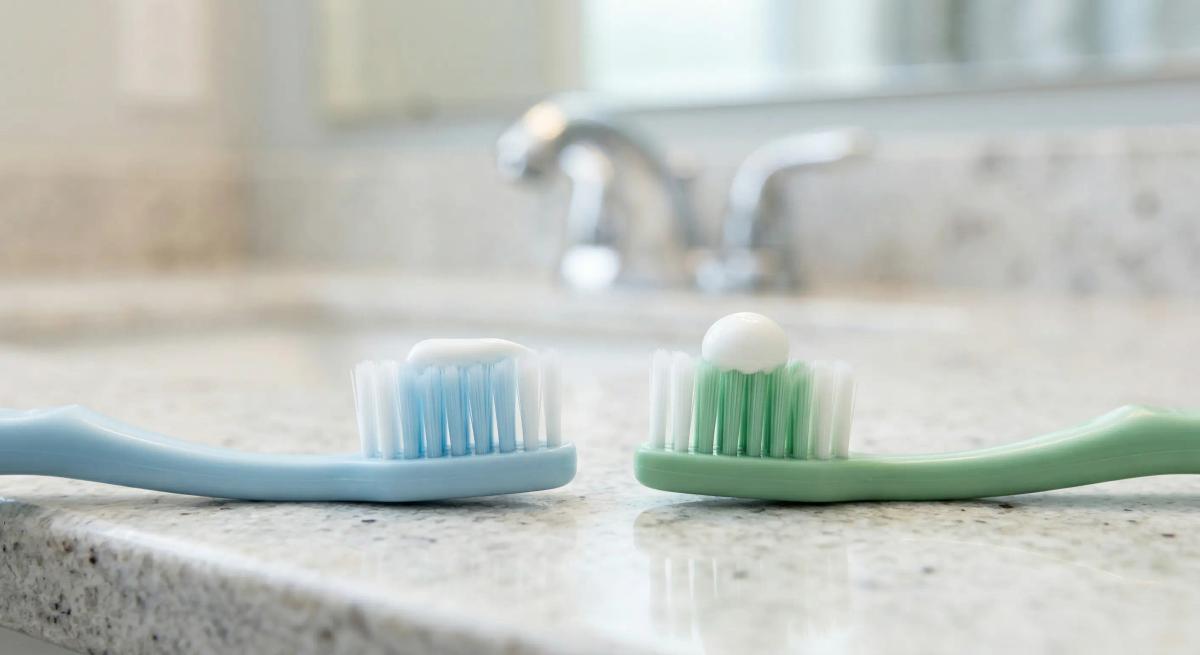
- Under 2 years old: Use a "smear" of toothpaste (about the size of a grain of rice, containing roughly 0.1 mg of fluoride).
- Ages 2 to 6 years: Use a "pea-sized" amount of toothpaste (roughly 0.25 mg of fluoride).
Fluoride in Bangladesh's Drinking Water
You might wonder if your child is getting too much fluoride from tap water. According to a study on drinking water sources in Bangladesh (by A.K.M. Fazlul Hoque), the average fluoride concentration across various water sources is well within safe limits.
The study tested hundreds of samples and found that groundwater averages about 0.43 mg/L, surface water averages 0.14 mg/L, and city water supplies average roughly 0.33 mg/L. These results indicate that, in general, fluoride levels in Bangladesh's groundwater remain safely below the maximum permissible limit of 1.0 mg/L for drinking water.
Tips for Safe Fluoride Use
Generally, fluoride is incredibly safe and highly beneficial for oral health. Health risks only arise from long-term, excessive consumption. To avoid these risks and protect your family's smiles, follow these simple tips:
- Do not swallow: Teach children to spit out toothpaste and other dental hygiene products after brushing.
- Supervise brushing: Keep toothpaste out of reach of small children. You should actively assist and monitor your child's brushing until they are 7 to 8 years old.
- Know your water: Try to find out the standard fluoride levels in your local area's water supply.
- Consider alternatives: If you know your child is getting plenty of fluoride from drinking water or supplements, you may opt for a fluoride-free children's toothpaste.
If you notice any unusual white or brown spots on your child's developing teeth, do not ignore it. Book an appointment with a certified BDS dentist to get professional advice tailored to your child's specific oral health needs.
Written by Prof. Dr. Musa Siddik
FCPS (OMS) · Principal, Rangpur Community Dental College